
Why You (and Your Neighbours) Need a Dilapidation Report Before Construction Starts
What is a Dilapidation Report and Why Should You Care?
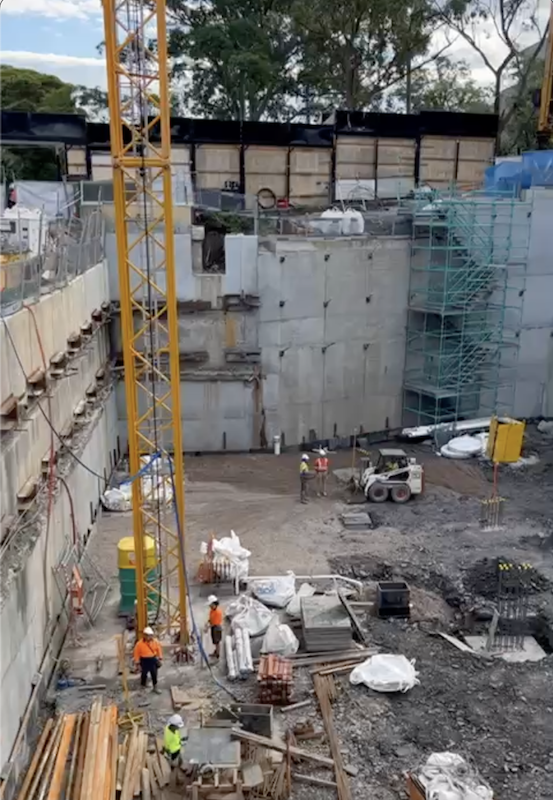
Imagine this—you’re about to start building or renovating your home or property. Or perhaps your neighbour has a big construction project lined up next door. A few months later, you notice cracks in your walls, sinking floors, or shifting fences. Who’s responsible? How do you prove that the damage wasn’t there before construction started? That’s where a Dilapidation Report comes in. A Dilapidation Report is an independent, professional inspection of a property that documents its existing condition before construction, demolition, or excavation begins nearby. It serves as a legal record of the property’s state, helping both builders and neighbours avoid unnecessary disputes over damage claims.
At LLBC, we strongly recommend this report to both property owners who are building and their neighbours. Here’s why:
For Property Owners: Protect Your Build and Budget
If you’re the one building or renovating, a dilapidation report is your safety net.
✅ Avoid False Damage Claims – If a neighbour accuses you of damaging their home, you’ll have documented proof of what was there before construction started. No more “he said, she said” arguments.
✅ Insurance and Compliance – Many councils and insurers require a dilapidation report before approving construction. Having it in place can prevent delays.
✅ Peace of Mind – Focus on your project without worrying about potential claims or disputes.
For Neighbours: Safeguard Your Property
If there’s construction happening near your home, don’t assume everything will stay the same.
✅ Identify Pre-Existing Issues – Know the exact condition of your home before work begins. If damage does occur, you’ll have solid proof to support your claim.
✅ Prevent Costly Repairs – Without documentation, proving that new damage was caused by construction can be challenging and expensive.
✅ Negotiate with Confidence – If needed, you can request protective measures from the builder to safeguard your property before they break ground.
How the Dilapidation Report Process Works
Getting a dilapidation report is quick, easy, and affordable. Here’s what to expect:
- A professional inspector visits the site – They’ll carefully document the condition of walls, ceilings, floors, fences, driveways, retaining walls, and other structures.
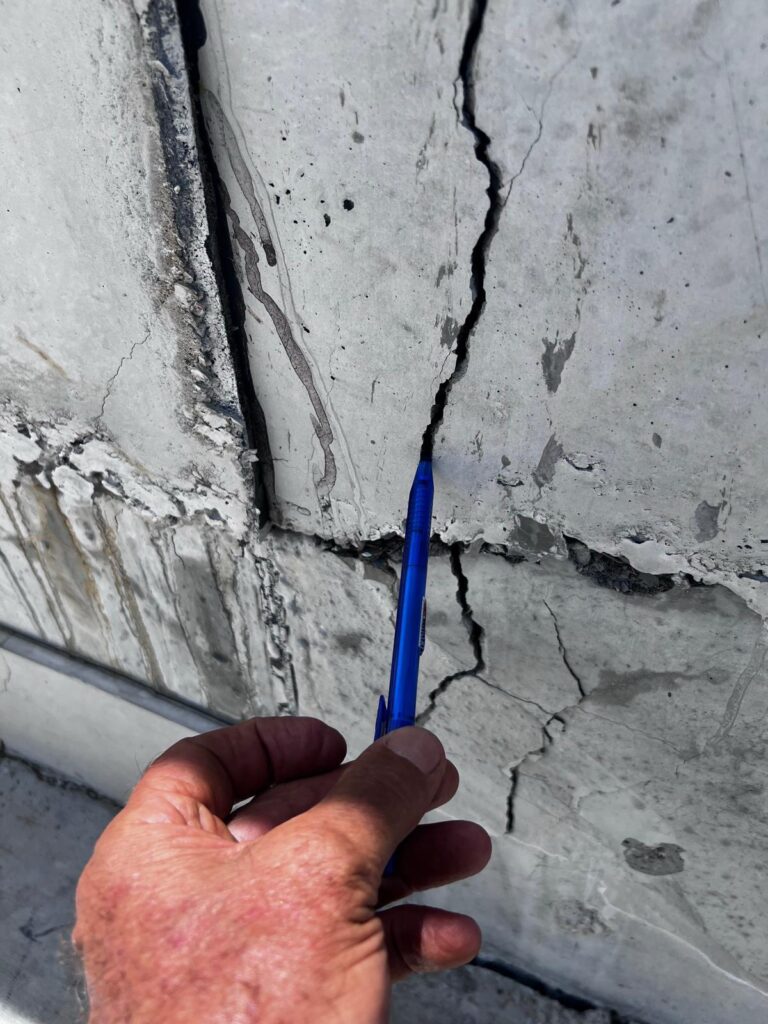
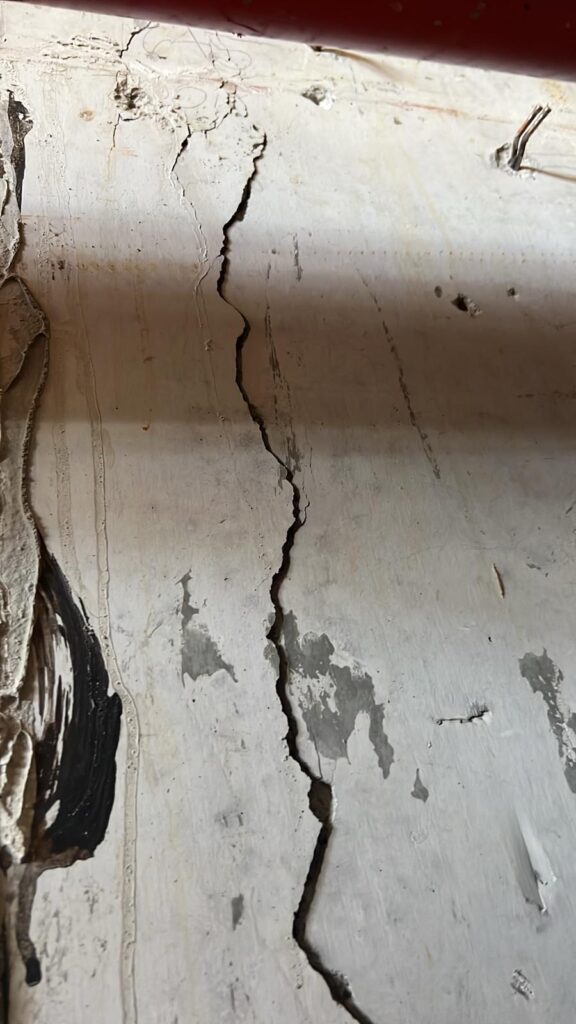
- Photographic and written evidence is recorded – This includes cracks, leaks, subsidence, and any wear and tear already present.
- The report is shared with both parties – You (and your neighbours) receive a detailed, timestamped report.
- Post-construction comparisons – If any issues arise later, the report serves as a factual reference point.
The LLBC Difference: Why Choose Us?
At LLBC, we don’t just tick boxes—we prioritise your peace of mind.
✅ Unbiased, Expert Inspections – We provide thorough, independent assessments that hold weight in any dispute.
✅ Fast Turnaround – Get your report quickly so you can move forward with confidence.
✅ Clear, Concise Reports – Easy-to-understand documentation with high-quality images and professional analysis.
✅ Experience You Can Trust – With decades in building and consulting, we know what to look for and how to protect your interests.
Final Thoughts: A Small Investment for Big Protection
A dilapidation report is like an insurance policy for your property. Whether you’re the builder or the neighbour, having a professionally documented report can prevent costly disputes, protect relationships, and save you thousands in potential repair costs.
Before the first hammer swings, make sure you have the right protection in place. Contact LLBC today to book your Dilapidation Report and build with confidence.